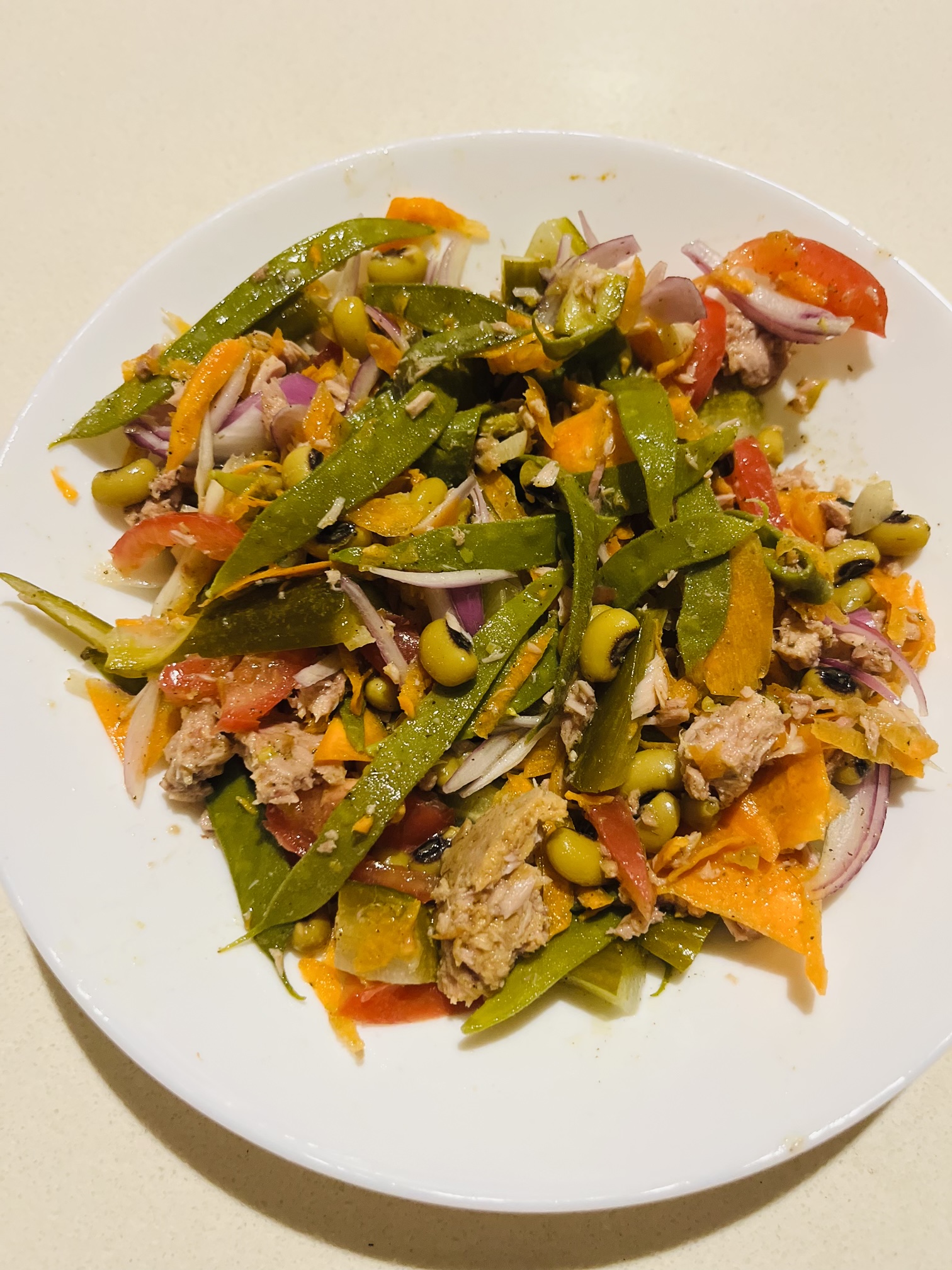
From Backyard to Table: A Nutritious Cowpea and Blue Pea Pod Salad for Climate-Smart Agriculture
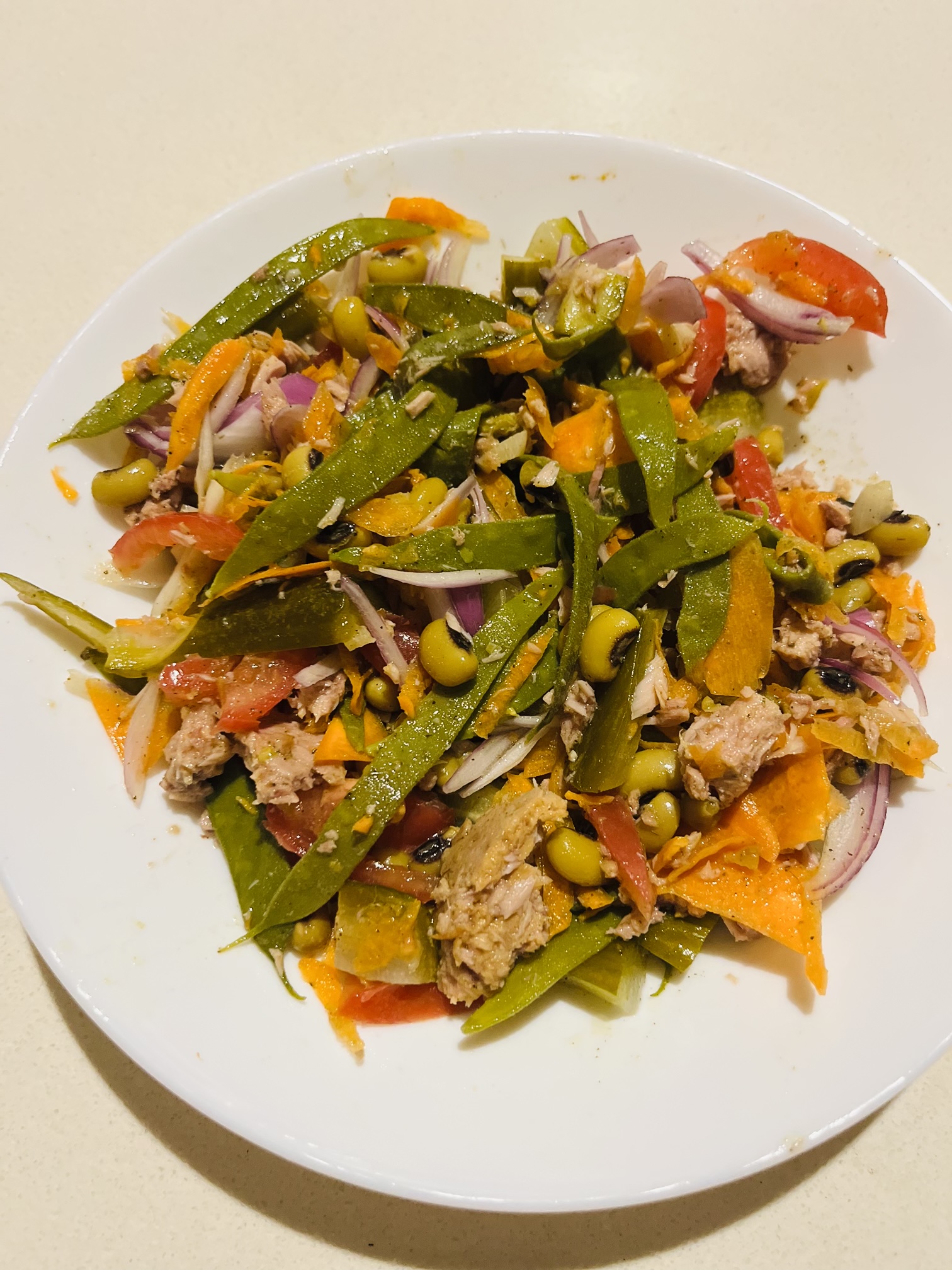
Celebrating underutilized legumes, healthy food, and opportunities for women farmers in Africa
What if two underutilized legumes could help bring nutritious food to the table while creating new opportunities for smallholder farmers?
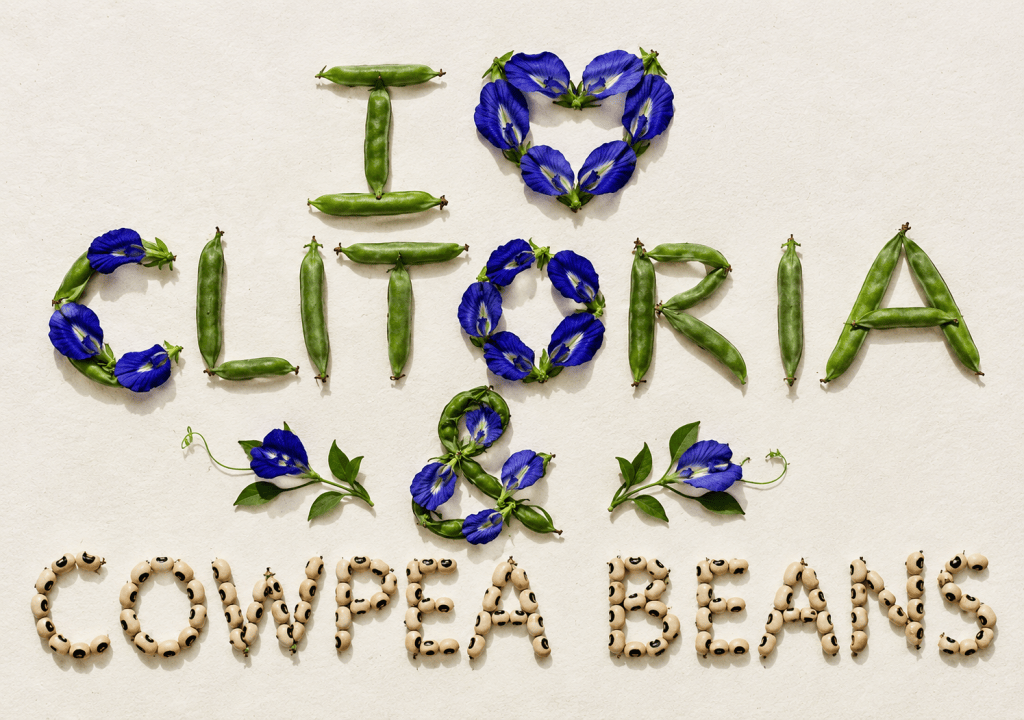
Cowpea (Vigna unguiculata), also known as black-eyed pea, is an important food legume across Africa. Blue pea (Clitoria ternatea), a hardy perennial legume known for its striking blue flowers, also has potential as a multipurpose crop. While blue pea is widely recognized for its flowers, its young, tender pods can also be explored as a vegetable where locally grown varieties and food-safety practices make them suitable for consumption.
This recipe combines young blue pea pods and cooked cowpeas with tuna and fresh vegetables to create a colorful, protein-rich salad. It is a simple way to explore the culinary potential of these legumes while highlighting a broader opportunity: connecting crop diversity, household nutrition, climate resilience, and women-led value addition.
1. The recipe: Cowpea and young blue pea pod salad
Serves: 2
Preparation time: Approximately 15 minutes, plus cooking time for the cowpeas
Cooking method: Steaming and mixing
Ingredients
For the salad
- 100 g young, tender blue pea (Clitoria ternatea) pods
- 100 g cooked cowpeas or black-eyed peas
- 1 can of tuna in water or olive oil, drained
- ½ carrot, grated
- ½ cup cherry tomatoes, chopped
- 1 small red onion, thinly sliced
- 1 pickled cucumber, diced
- Salt, to taste
- Cooked pasta, optional, for a more substantial meal
For the garlic and herb dressing
- 2 tablespoons olive oil
- 1 garlic clove, finely chopped
- 1 teaspoon dried herbs, such as parsley, rosemary, dill, and oregano
- Salt, to taste
- ½ teaspoon lemon juice, optional
- Red pepper flakes, optional
Method
Step 1: Prepare the legumes.
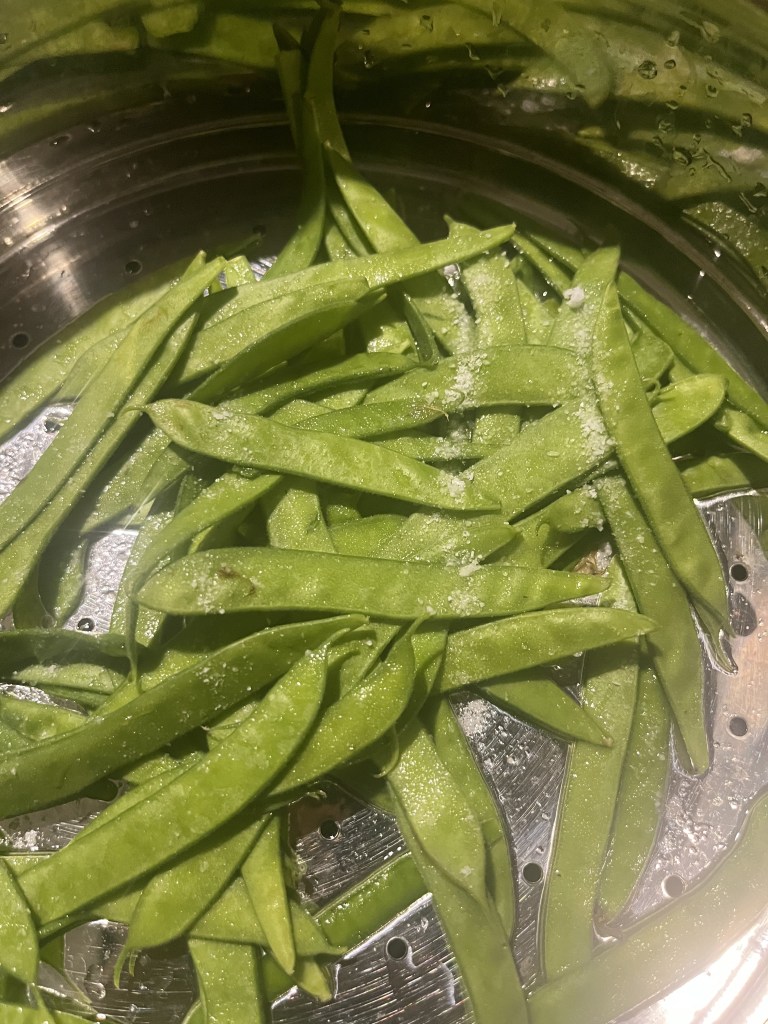
Wash the young blue pea pods thoroughly and steam until tender but still slightly crisp. Add a small amount of salt to the steaming water if desired. Cook the cowpeas separately until tender, then drain. If using dried cowpeas, soak and cook them thoroughly before preparing the salad.
Step 2: Prepare the dressing.
Place the finely chopped garlic and dried herbs in a heatproof bowl. Carefully heat the olive oil until hot, then pour it over the garlic and herbs. Allow the mixture to infuse. Add salt and, if desired, lemon juice and red pepper flakes. Avoid overheating the oil or allowing the garlic to burn.
Step 3: Combine the ingredients.
In a large bowl, combine the steamed blue pea pods, cooked cowpeas, drained tuna, grated carrot, cherry tomatoes, red onion, and diced pickled cucumber.
Step 4: Toss and serve.
Pour the garlic and herb dressing over the salad and toss gently until everything is evenly coated. Serve immediately, or chill briefly before serving. Add cooked pasta if you prefer a more filling meal.
A small serving suggestion: If fresh lemon is available, a little extra juice just before serving can brighten the flavor and help the body absorb non-haem iron from the plant ingredients.
2. Why this salad is a nutritious choice
This recipe combines plant-based ingredients, fish, vegetables, and healthy fats to provide a variety of nutrients in one meal.
- Protein: Cowpeas and blue-pea pods provide plant protein, while tuna adds high-quality animal protein.
- Dietary fibre: Cowpeas and blue-pea pods and vegetables contribute fiber, supporting normal digestion and helping promote fullness.
- Iron: Cowpeas and blue-pea pods contribute non-haem iron, which is important for making haemoglobin and transporting oxygen throughout the body. The actual amount available for absorption depends on the ingredients and how the meal is prepared.
- Vitamin C: Tomatoes contribute vitamin C, which can improve the absorption of non-haem iron from legumes. Adding fresh lemon juice can provide an additional source.
- Folate and other B vitamins: Cowpeas supply folate, which supports normal cell division and red blood cell formation.
- Minerals: Cowpeas and blue-pea pods contribute potassium, magnesium, phosphorus, iron, and zinc. Carrots and tomatoes provide additional potassium and other micronutrients.
- Vitamin A precursors: Carrots are rich in beta-carotene, which the body can convert into vitamin A.
- Vitamin K and other micronutrients: Parsley and other herbs contribute small amounts of vitamin K and other plant compounds, depending on the quantity used.
- Omega-3 fatty acids: Tuna provides protein and varying amounts of omega-3 fatty acids, depending on the species.
- Unsaturated fats: Olive oil supplies predominantly monounsaturated fats.
Together, these ingredients offer a useful combination of protein, fiber, vegetables, and micronutrients. The recipe can be adapted to locally available foods, making it practical for different household budgets and food cultures.
Why I have left out cheese
I have deliberately left cheese out of this recipe because the aim is to support iron intake from plant foods. Calcium can influence iron absorption under some conditions, particularly in short-term studies, although the effects on long-term iron status are less clear. Cheese is not inherently incompatible with an iron-rich diet, but this particular recipe does not need it: the tuna, legumes, vegetables, and herb dressing already provide plenty of flavor and nutritional variety.
From the Field to the Plate
Sometimes, sustainable agriculture begins with something as simple as a meal. This cowpea and blue pea pod salad brings together ingredients from the garden and the farm to create a colorful, nourishing dish. Cowpeas add plant-based protein and dietary fiber, tuna provides additional protein, and fresh vegetables and herbs bring color, flavor, and essential nutrients to the plate.
But there is a bigger story behind this simple recipe. Around the world, many crops remain underutilized despite their potential to diversify our diets, strengthen farming systems, and create new sources of income. By rediscovering these crops and finding creative ways to use them, we can connect agricultural biodiversity with everyday food choices.
With the right research, farmer participation, and market opportunities, crops such as cowpea and blue pea could offer new possibilities for smallholder farmers, women entrepreneurs, and local food businesses. From growing legumes in home gardens to developing value-added products such as packaged foods, herbal infusions, and natural colorants, the possibilities extend far beyond the farm.
Perhaps the path towards a more sustainable food future does not always begin with a major technological breakthrough. Sometimes, it begins by looking at familiar or overlooked crops differently, and asking a simple question: What can we grow, prepare, and share today that nourishes people while creating opportunities for a more sustainable tomorrow?



Leave a Reply