Johann Philipp Breyne’s Journey to Ternate Island
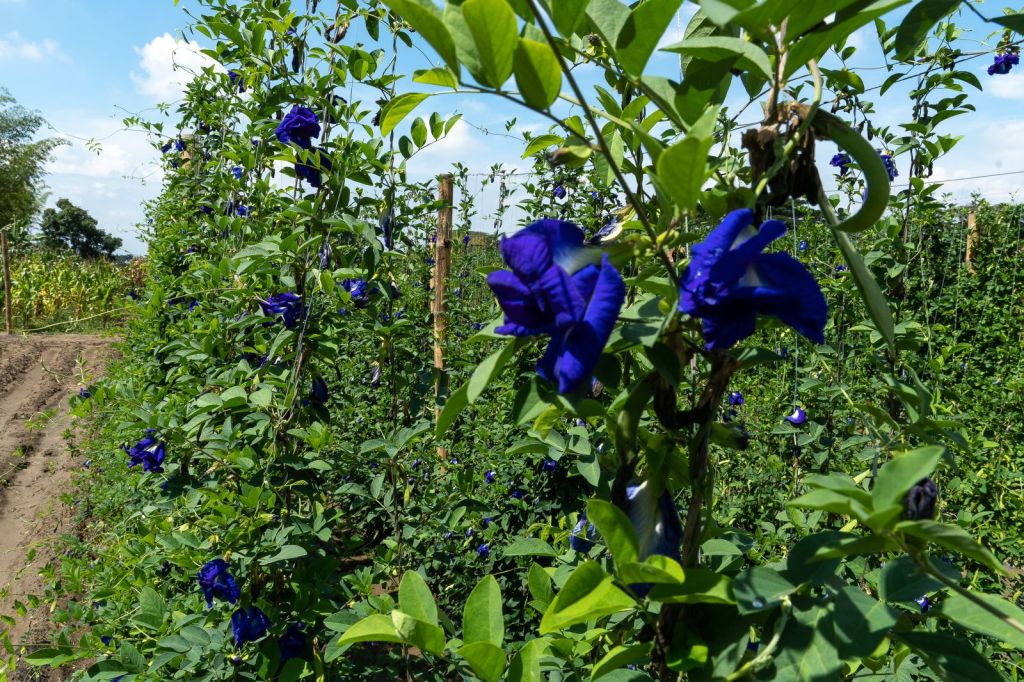
Who would have thought that a striking indigo-colored flower would revolutionize the color industry? It was Johann Philipp Breyne, a German botanist, who discovered this flower on his journey to Ternate Island, Indonesia, in search of botanical research and new discoveries. He named it ‘Clitoria’ for its shape resembling female genitalia and ‘Ternatea’ after the Indonesian islands. Clitoria Ternatea, a perennial herb, initially used as a fodder crop and ornamental crop for fencing and now into landscapes.
How It Has Been Called
Clitoria ternatea has been known by different names such as Asian pigeon wings, blue pea, blue pea vine, butterfly pea, Darwin pea, kordofan pea, pigeon wings, and many others, depending on the common language in each country. It belongs to the family Fabaceae. There have been many theories about its origin and native land. According to the story and its species ternatea, which originates from the Ternate Islands, it can be assumed that the crop is native to Asia, including locations in South Asia and Southeast Asia. However, it was later introduced to Africa, Australia, and the Americas.
From Fodder Crop to Medicinal Marvel
Fast forward to the 1950s. Initially, Clitoria’s early research is based on its applications to livestock animals and agricultural applications. However, over time, its medicinal properties were discovered and have been utilized for human health benefits.
Unlocking Nature’s Medicine Cabinet
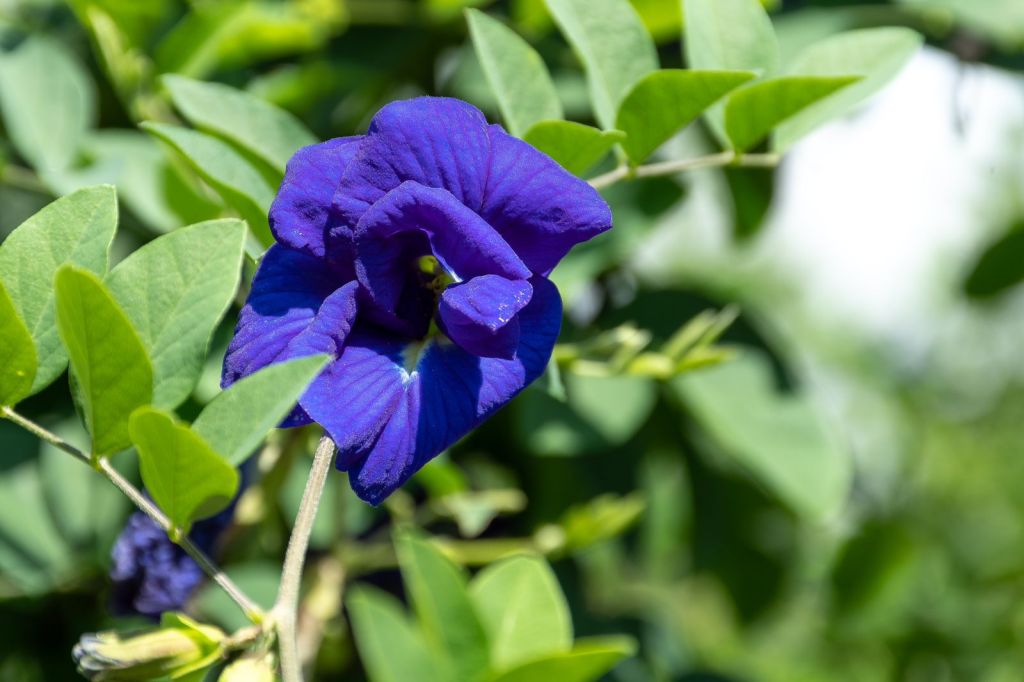
Since then, the golden period of Clitoria ternatea starts from 1967, from forage and fodder crop, as a nitrogen fixation crop, as a medicinal crop for its anti-inflammatory, analgesic, anti-diabetic, anti-arthritic, antioxidant, and wound healing properties. The list of benefits doesn’t stop there, the crop also known to have nootropic activity–a certain substance that is shown to improve cognitive function by influencing the autophagy-directed pathway.
A Global overview of C.ternatea Accessions
As per Genesys, a global database for plant genetic resources, there are 877 accessions of C. ternatea collected from different regions and habitats, including Thailand, Brazil, and Colombia. Each accession holds a unique sample of the plant, contributing to the genetic diversity and conservation efforts for Clitoria ternatea. This article focuses solely on C. ternatea, although many other species of Clitoria are also included in the database.
Guardian of Brain Health
The treated and control rats also showed differential expression of genes involved in autophagy regulation, nucleotide excision repair, homologous recombination, and other pathways. The study suggests that C. ternatea protects the brain by influencing the autophagy-directed pathway–an important cellular process necessary for degrading and recycling damaged components within the cell. Autophagy dysregulation has been linked to neurodegenerative disorders and many metabolic conditions.
Natural Solutions for Parasitic Problems
Not to surprise you, the crop’s root extracts possess anthelmintic activity–a substance that expels and destroys parasitic worms that infect humans and animals. The cyclotide extracts from the shoot shown to possess insecticidal activity that shown to kill larvae of Helicoverpa spp. and reduced oviposition on both transgenic and conventional cotton crops, suggesting an eco-friendly insecticide. The insecticide is commercially available in the market as Sero-X®
Antibacterial Warrior
A protein called “finotin” extracted from clitoria seeds possess inhibitory properties aka protection against both plant and human fungal pathogens. The ethanol extract of leaves and calli, and flowers shown to possess antibacterial activity against a variety of bacterial species, including, Streptococcus spp and Staphylococcus spp.
Nature’s Blue Dye
Having said that benefits of C. ternatea, the flowers varying form white to shades of blue possess a deep blue pigment, that is highly popular in Asia, where the colors are sought after an alternative in beverage, desserts, cooking colored rice, and even in dye industries for dying clothes.
Future Potential
The success of products derived from C. ternatea is expected to lead to more research on the plant, potentially resulting in new discoveries for second and third generation products. Continued research on C. ternatea is expected to transition its exciting discoveries from a resilient forage legume with immense medicinal benefits to a crop of regenerative agriculture. The ongoing research on Clitoria ternatea, led by institutions such as the Alliance of Bioversity International and CIAT, highlights the plant’s potential as a transformative crop in regenerative agriculture. As these studies progress, they not only deepen our understanding of Clitoria’s benefits for soil health, water conservation, and biodiversity but also pave the way for a more resilient and sustainable agricultural future.
References:
- Oguis, G. K., Gilding, E. K., Jackson, M. A., & Craik, D. J. (2019). Butterfly pea (Clitoria ternatea), a cyclotide-bearing plant with applications in agriculture and medicine. Frontiers in plant science, 10, 448370.
- https://www.hawaiiseedgrowersnetwork.com/post/2019/01/11/clitoria-ternatea-a-lovely-lady-for-the-garden-and-the-kitchen.
- Gomez, S. M., & Kalamani, A. (2003). Butterfly pea (Clitoria ternatea): A nutritive multipurpose forage legume for the tropics–an overview. Pakistan Journal of Nutrition, 2(6), 374-379.



 Exploring science
Leave a comment